2026年3月27日星期五

夫以妻貴

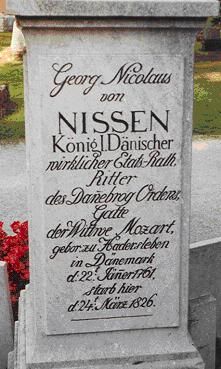
奧地利的墓園St. Sebastian Cemetery》裡有個幕誌銘頗有趣, 因此成了個小小的觀光景點, 特別標明葬在那裡的 Georg Nikolaus von Nissen Gatte der Witwe Mozart (The husband of Mozarts widow).

Mozart 1791年去世遺孀 Constanze Mozart 後來和本來是房客同居多年的 von Nissen 結婚. von Nissen 是丹麥外交官兼音樂史學家生前曾收集資料寫 Mozart 傳記但是沒能完成死後有人幫他重整出版《Biographie W. A. Mozarts》. 想來妻子幫很多忙, 據說是史上第一本完整的 Mozart 傳記.

2026年3月20日星期五

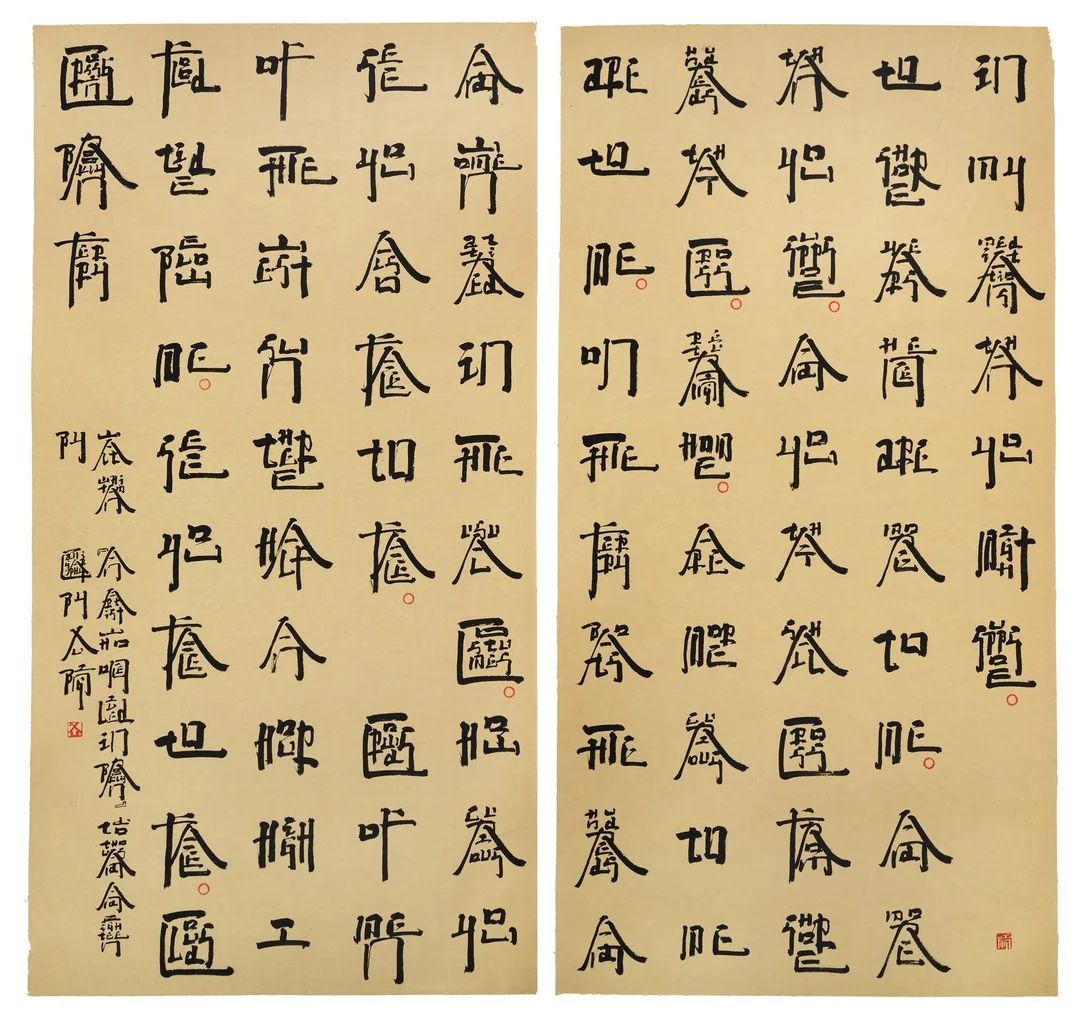
英文方塊字書法

中國藝術家徐冰 1994 年得到靈感將英文單字寫成漢字形象稱之為「英文方塊字」字母和字的順序按如下規定:

(從上到下.

(從左到右.

() 如單字內有重疊的字母從外廓到內.

他的英文名字 Xu Bing 用到上述三個規則可做示範

他用「英文方塊字」創作「新英文書法」, 改寫美國詩人 Walt Whitman 的詩《Crossing Brooklyn Ferry:

這帖書法的傳統英文全文:

Crossing Brooklyn Ferry,

By Walt Whitman

Calligraphy by Xu Bing

An artist who used to live in Brooklyn.

Flood-tide below me! I see you face to face!

Clouds of the west—sun there half an hour

high—I see you also face to face.

Crowds of men and women attired in the

usual costumes, how curious you are to me!

On the ferry-boats the hundreds and

hundreds that cross, returning home, are

more curious to me than you suppose,

And you that shall cross from shore to shore

years hence are more to me, and more in my

meditations, than you might suppose.

我覺得欣賞的人能否清楚讀出每個方塊字應該不是要點, 例如 (無關兩者美術的優劣) 我非常喜愛懷素的草書但是一個字也看不懂, 不過還是好奇的查看一下. 從左上角讀起, 第一行上方三個字是詩的標題 Crossing Brooklyn Ferry, 下面三個較小的字 (分兩行): by () Walt Whitman (). 再往下是另一組小字 (分兩行): Calligraphy by Xu Bing () An artist who used to live in Brooklyn (). 從左邊算起第二行開始是詩的全文, 第一個字 flood, 最右下角是詩的最後一個字 suppose, 另有紅色的標點符號斷句. 
2026年3月13日星期五

人人皆可成佛

 最近讀了美國科幻小說作家 Andy Weir 成名前的極短篇小說《The Egg從作者簡介得知他本是個默默無聞的軟體工程師, 2011年在自己的網站以連載方式刊登小說《The Martian供人免費欣賞網友建議放上 Amazon Kindle (美金 99成了 Kindle 暢銷書, 2014年出版商Crown Publishing Group看上出版實體書, 又上了The New York Times》的暢銷書排行榜, 我非科幻小說迷所以不知道這件趣事, 最近看了 2015年改編拍成同名電影才知道 Andy Weir 這個人.

The Egg》的大意是某人因車禍喪生到了某處 (不是天堂也不是地獄), 碰到一個自稱 God (不是上帝) 的人解說每一個人死後都會投胎轉世成為另一個人雖然不會記得前世人生卻保留了移情效果. 投胎沒有時空限制所以可能到遙遠的國度也可能時間倒流 (這個似乎是個要點)如此不斷的輪迴導致千秋萬世後世人會心心相惜, 潛意識的感覺對人好就是對自己好對人不好就是對自己不好, 一個人達到這個境界時就會一樣成為 God (不是上帝), 宇宙像一顆蛋, 眾生是在蛋裡不斷孕育的胎兒.

The Egg》雖然讀來無我還是有一點感想, 佛陀釋迦牟尼認為眾生本具佛性皆可成佛如沒成佛是因為修道不足障蔽未除,The Egg》的主旨與佛陀的教導雖然沒有關聯不過有類似佛陀「人人皆可成佛」的結論.

2026年3月6日星期五

Chang Ch’ao, Zhang Chao, 張潮

 某網頁刊登下面這段文字, 沒有其他說明:

Reading books in one’s youth is like looking at the moon through a crevice; reading books in middle age is like looking at the moon in one’s courtyard; and reading books in old age is like looking at the moon on an open terrace. This is because the depth of benefits of reading varies in proportion to the depth of one’s own experience.

— Chang Ch’ao

Chang Ch’ao 顯然是舊式中文名字英譯不過一 google 就得知是明末清初文人張潮 (Zhang Chao), 上面的文字來自他的文集《幽夢影》 :

少年讀書如隙中窺月;

中年讀書如庭中望月;

老年讀書如臺上玩月.

皆以閱歷之淺深為所得之淺深耳.

我碰巧讀過 20世紀加拿大作家 Robertson Davies 的一句名言有類似的啟示:Nobody ever reads the same book twice.

英文大師林語堂翻譯過《幽夢影》上面那段文字的英譯如下, 最明顯的差別是林語堂的用比較合適的「peeping.

"Reading in youth is like peeping at the moon through a crevice; reading in middle age is like gazing at the moon in one’s courtyard; and reading in old age is like playing with the moon on a terrace. This is because the depth of ones experience is reflected in the depth of ones understanding."